beaver34
|
| posted on 1/12/08 at 11:21 PM |

|
|
what diff?
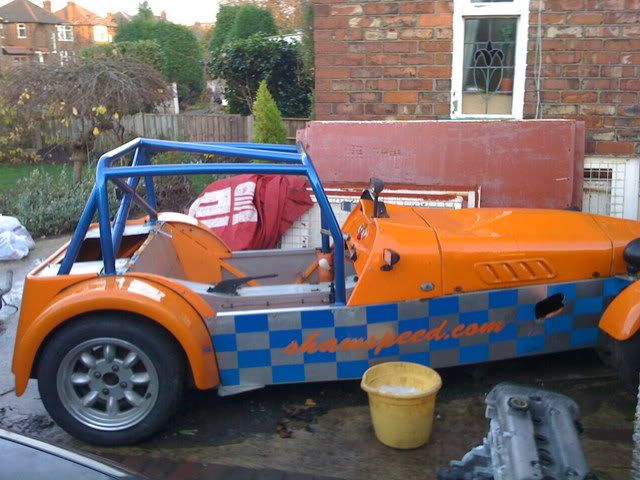
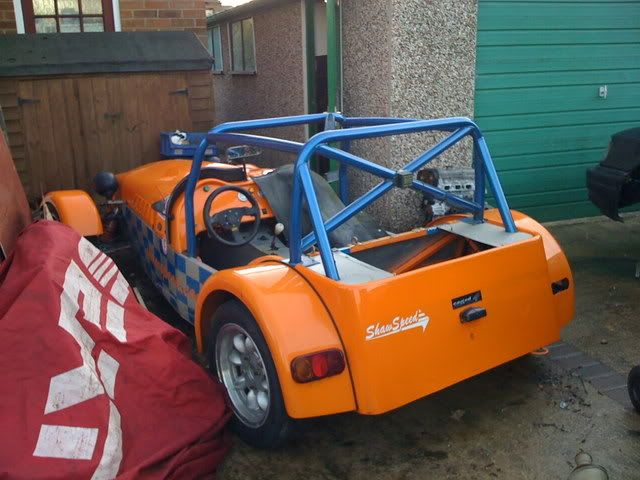
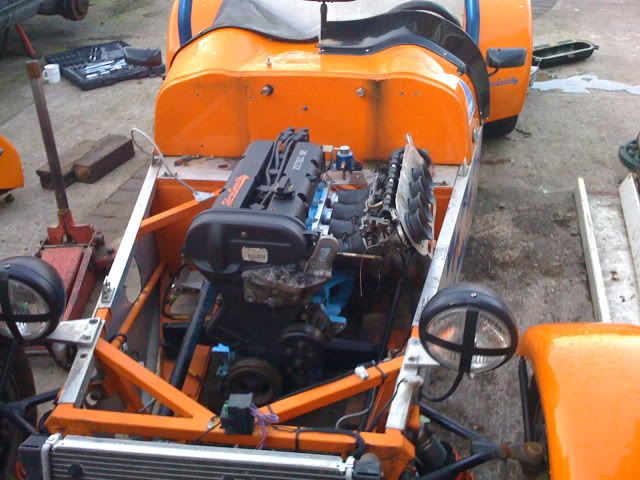
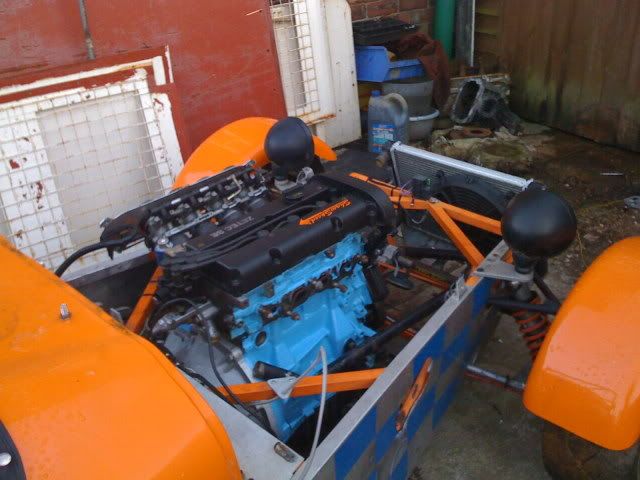
hi guys, im new to kit cars so take it easy please! im currently finishing off a kit car for the road, it is an old shawspeed race car, has a quaife
box, with English rear axle, and at the moment has an open diff, is a lsd unit going to make a massive difference in grip and performance? and are
there any downsides to a lsd? also what am i best looking at a quaife atb, or a plated diff like a trans-x? thanks for any info/help alastair
|
|
|
|
|
blakep82
|
| posted on 1/12/08 at 11:31 PM |
|
|
quite a common question, LSDs have the benefit of locking up and putting equal power to both wheels if one starts to spin. great in the dry.
in the wet, or ice though, not great, coz when there's very little grip to start with last thing you want is both back wheels spinning up and
giving no grip.
this is just my opinion. i've got one in my bmw.
welcome btw  have you got any photos of your car? have you got any photos of your car?
________________________
IVA manual link http://www.businesslink.gov.uk/bdotg/action/detail?type=RESOURCES&itemId=1081997083
don't write OT on a new thread title, you're creating the topic, everything you write is very much ON topic!
|
|
|
snapper
|
| posted on 2/12/08 at 04:21 AM |
|
|
From a man that knows (Not me) was said that an LSD will push you on, understeer in very tight corners like hairpins and roundabouts on the road.
A plate clutch can be a bit brutal unless set up, an ATB (Automatic Torque Biasing) will not lock up but is expensive. The much fitted Sierra and
Cosworth LSD's are a fluid type diff, much more road orientated and a lot cheaper.
All that said I have one in the spares pile that will be fitted next year.
I eat to survive
I drink to forget
I breath to pi55 my ex wife off (and now my ex partner)
|
|
|
mark chandler
|
| posted on 2/12/08 at 07:24 AM |
|
|
I prefer the viscous diff myself, having had a clutch based one in a road car that just tried to throw me off the road when cutting in, the viscous
was much friendlier.
The Sierra LSD in my little car is worn out, but it still has enough life to push the car straight ahead on sharp turns but is definately an
advantage. Downside is you can go harder but fall off very suddenly!
|
|
|
beaver34
|
| posted on 2/12/08 at 07:47 AM |
|
|
quote:
Originally posted by blakep82
quite a common question, LSDs have the benefit of locking up and putting equal power to both wheels if one starts to spin. great in the dry.
in the wet, or ice though, not great, coz when there's very little grip to start with last thing you want is both back wheels spinning up and
giving no grip.
this is just my opinion. i've got one in my bmw.
welcome btw have you got any photos of your car?
thanks for you input, i had a v/c diff in my last fwd car, i loved it, i was just thinking about getting one for this to aid traction out of corners
etc..... ill, post some car pics up in a sec, al
|
|
|
beaver34
|
| posted on 2/12/08 at 07:49 AM |
|
|
quote:
Originally posted by snapper
From a man that knows (Not me) was said that an LSD will push you on, understeer in very tight corners like hairpins and roundabouts on the road.
A plate clutch can be a bit brutal unless set up, an ATB (Automatic Torque Biasing) will not lock up but is expensive. The much fitted Sierra and
Cosworth LSD's are a fluid type diff, much more road orientated and a lot cheaper.
All that said I have one in the spares pile that will be fitted next year.
i have heard the may induce a little understeer, i think the atb quaife ones are cheaper on the rally design website for the english axle, but the
place i got the car from said they allways ran the trans-x types but at a low preload
|
|
|
beaver34
|
| posted on 2/12/08 at 07:50 AM |
|
|
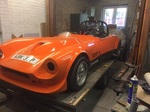
here you go also, not much i know but will be at some point!
|
|
|
ReMan
|
| posted on 2/12/08 at 07:58 AM |
|
|
Nice.
LHD too?

|
|
|
beaver34
|
| posted on 2/12/08 at 08:00 AM |
|
|
quote:
Originally posted by ReMan
Nice.
LHD too?
yes, for now but prob for ever, ill get used to it
|
|
|
beaver34
|
| posted on 5/12/08 at 02:27 PM |
|
|
Up for any more opinions
|
|
|