Bumble
|
| posted on 10/6/10 at 01:58 PM |

|
|
How Much Brake Fluid........
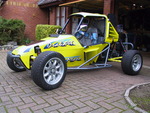
Roughly how much brake fluid will it take to fill a 7 type car from scratch. Only reason I ask is trying to decide whether to buy 500ml or 1L of
Automec Silicone Brake fluid and it ain't cheap.
Thanks,
Matt
|
|
|
|
|
StrikerChris
|
| posted on 10/6/10 at 02:01 PM |
|
|
Bite the bullet and get a litre.You'll use it all up at some point.......
|
|
|
flak monkey
|
| posted on 10/6/10 at 02:04 PM |
|
|
Normally under 0.5 litre, but I always buy a litre. its only about £4 anyway!
Sera
http://www.motosera.com
|
|
|
BenB
|
| posted on 10/6/10 at 02:06 PM |
|
|
Do you definately want to use the silicon stuff? I haven't heard good reviews....
|
|
|
carpmart
|
| posted on 10/6/10 at 02:09 PM |
|
|
Dot5.1 - don't bother with the 'everlasting' synthetic stuff! Mineral is best!
You only live once - make the most of it!
Radical Clubsport, Kwaker motor
'94 MX5 MK1, 1.8
F10 M5 - 600bhp Daily Hack 
Range Rover Sport - Wife's Car
Mercedes A class - Son's Car
|
|
|
minitici
|
| posted on 10/6/10 at 02:31 PM |
|
|
Other than not dissolving your paintwork - I see no advantages is going for Silicone brake fluid.
I've heard that with little used vehicles, seals can become stuck in cylinders when using silicone.
[Edited on 10/6/10 by minitici]
|
|
|
iank
|
| posted on 10/6/10 at 02:33 PM |
|
|
If it's already had non-silicone in then be very careful as they aren't compatible and you may wreck every seal in the system.
--
Never argue with an idiot. They drag you down to their level, then beat you with experience.
Anonymous
|
|
|
BenB
|
| posted on 10/6/10 at 02:35 PM |
|
|
http://www.britishmotoring.net/current_issue/BritishM-0904_How-to_full.pdf
interesting reading.....
silicon is non hydroscopic but 3 times as compressible.....
|
|
|
mookaloid
|
| posted on 10/6/10 at 02:43 PM |
|
|
well I have run several cars on silicone brake fluid and I do quite like it.
It has several advantages other than not spoiling paintwork - which is a big advantage in itself.
the main one for me is it doesn't attract moisture which means that the braking system lasts longer because the internals don't end up
rusting and failing like it does with normal fluid which gradually deteriorates and is why the fluid needs changing in a normal car every couple of
years.
I've also used it on tracks and for hill climbing and not perceived any disadvantages in performance.
it is good for vehicles which stand unused for long periods of time like many of our vehicles do over winter.
As iank rightly says though it is totally incompatible with mineral fluid so only use it in a completely new system. if any of the components are
second hand then stick with mineral fluid.
Cheers
Mark
"That thing you're thinking - it wont be that."

|
|
|
iank
|
| posted on 10/6/10 at 02:47 PM |
|
|
quote:
Originally posted by BenB
http://www.britishmotoring.net/current_issue/BritishM-0904_How-to_full.pdf
interesting reading.....
silicon is non hydroscopic but 3 times as compressible.....
Silicon is almost uncompressable, silicone on the other hand ... 
--
Never argue with an idiot. They drag you down to their level, then beat you with experience.
Anonymous
|
|
|
BenB
|
| posted on 10/6/10 at 03:02 PM |
|
|
quote:
Originally posted by iank
quote:
Originally posted by BenB
http://www.britishmotoring.net/current_issue/BritishM-0904_How-to_full.pdf
interesting reading.....
silicon is non hydroscopic but 3 times as compressible.....
Silicon is almost uncompressable, silicone on the other hand ...
Very true Bizarrely never considered the difference!!!
|
|
|
RIE
|
| posted on 10/6/10 at 05:47 PM |
|
|
quote:
Originally posted by BenB
http://www.britishmotoring.net/current_issue/BritishM-0904_How-to_full.pdf
interesting reading.....
silicon is non hydroscopic but 3 times as compressible.....
I would guess you mean non-hygroscopic?
I'll stop being pedantic now.*
*well, I will in 23.762 seconds time 
|
|
|
RichardK
|
| posted on 10/6/10 at 07:05 PM |
|
|
quote:
Originally posted by mookaloid
it is good for vehicles which stand unused for long periods of time.
Cheers
Mark
You getting some for the indy then 
Cheers
R
Gallery updated 11/01/2011

|
|
|
David Jenkins
|
| posted on 10/6/10 at 07:07 PM |
|
|
I started off with silicone brake fluid - I would never use it again.
I never, ever, managed to get a good feel on the brake pedal - it always felt like it needed bleeding - apparently it is very easy to trap air in the
fluid when pouring it into the master cylinder. It can also cause corrosion, as it doesn't absorb water in the way that the conventional fluid
does, and can also lead to brake fade for the same reason - you can end up with water next to your brake pistons, which boils when the brakes get
hot.
Yes, ordinary fluid absorbs water, but that gets taken out of the system each time you change the fluid - you do change it every 2 years or so,
don't you?
BTW: It's a total PITA to change back to conventional fluid if you change your mind - it took me about 4 or 5 changes to get rid of it.
[Edited on 10/6/10 by David Jenkins]
|
|
|
02GF74
|
| posted on 10/6/10 at 07:43 PM |
|
|
^^^^ wot he said plus if meory serves me well, it is less densetan water so if water does get into the system, it will be right at teh bottom, usually
the pistons to correode them plus being the hottest part, would boil the water first.
.... bit going off topic slightly, is there any data on how much water is absorbed into the brake fluid over time?
I mean, it isnot like the car is being used as a submarine so how much water vapour is in the air (UK climate) then how small is the breather hole in
the master clyinder and there is not much moveemnt of gas via that hole plus the rubber membrance seals to prevent the entry of water, make me wonder.
|
|
|
britishtrident
|
| posted on 12/6/10 at 12:23 PM |
|
|
quote:
Originally posted by carpmart
Dot5.1 - don't bother with the 'everlasting' synthetic stuff! Mineral is best!
Not Mineral ! Mineral fluid will destroy a normal brake system.
Normal Dot 4 or Dot 5.1 brake fluid is glycol based
[Edited on 12/6/10 by britishtrident]
[I] “ What use our work, Bennet, if we cannot care for those we love? .”
― From BBC TV/Amazon's Ripper Street.
[/I]
|
|
|